
Hot Take: Advanced courses shouldn't exist
At Webb, classes vary in difficulty. From regular, to Honors, to AP and Advanced Studies courses, students attempt to balance requirements and lean into their passions during their course requests. However, to Andrew Hamilton, science department faculty, higher level classes shouldn’t exist.
“The bigger reason is the equity issue,” Mr. Hamilton said. “You see a lot of underrepresentation of certain groups in [higher level] classes. Generally, wealthier families have the resources to get their students into these classes, which leaves some students behind.”
Mr. Hamilton thinks the pressure to take higher-level classes prevents students from taking unique classes that actually interest them. In his opinion, Webb classes should not differ in level and should all be described as challenging, as they all ultimately lead to the same diploma.
“Students end up not taking classes like Astrophysics, Neuroscience or other interesting classes because people tell them they won’t help you get into university,” said Mr. Hamilton. “If you’re taking Webb classes to graduate, then shouldn’t [all classes] be challenging to a certain standard?”
Hot Take: Webb needs daily uniforms
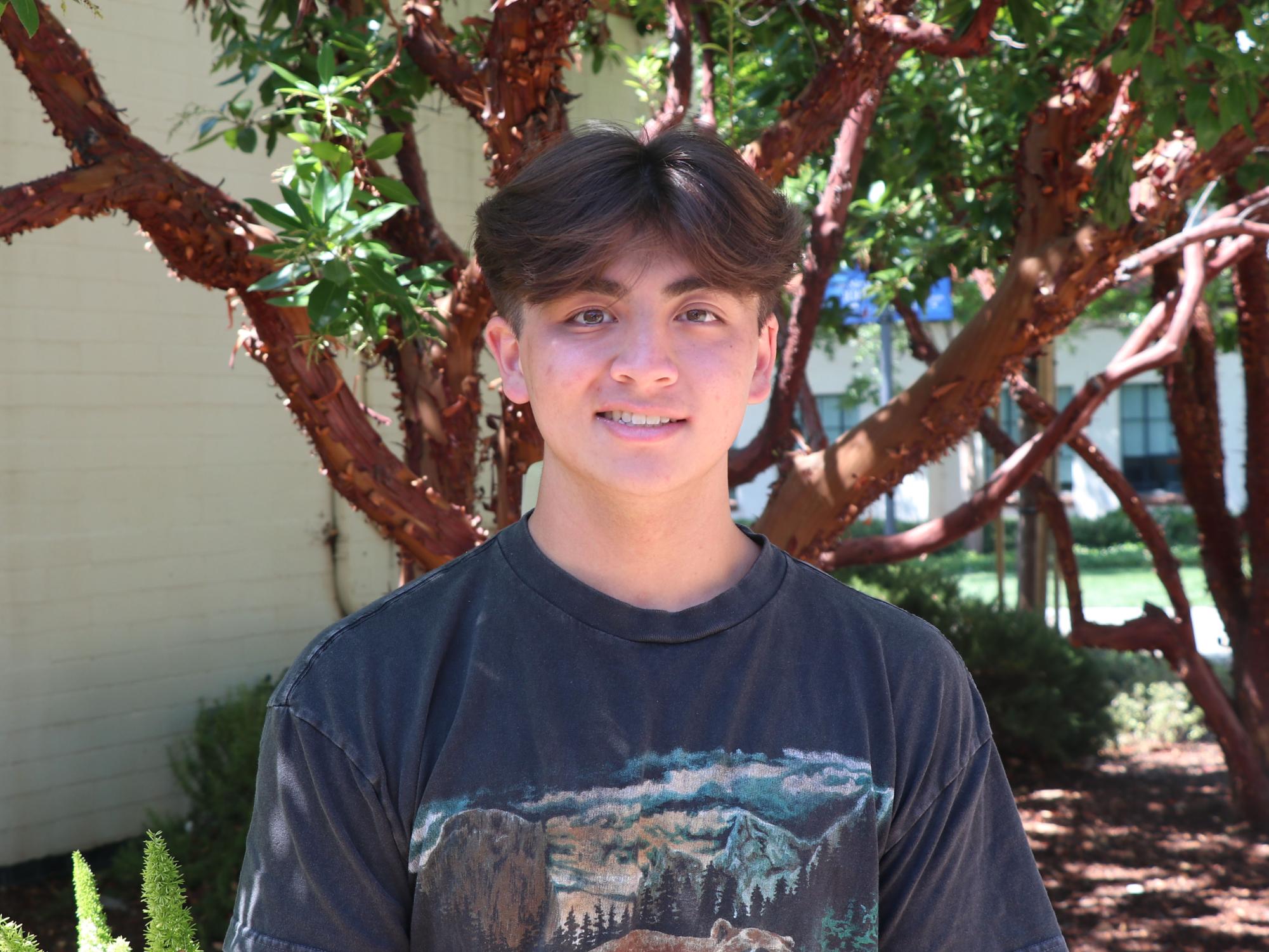
Outside of formal occasions, Webb permits its students to dress freely — so long as they stay within the confines of the dress code. Thea Do (‘24), however, would embrace extra wardrobe regulation: a daily school uniform.
“As someone who went to a school that required a uniform, I prefer it,” Thea said. “It would just save so much time in the morning, especially for people who are very fashionable, to just wear a uniform. You don’t have to worry about what you’re going to wear every day.”
Thea thinks that a daily uniform would solve a plethora of problems, from obsessing over your appearance to unintentionally breaking the dress code. To her, solutions to these issues are worth giving up fashion as a form of self-expression.
“I’m happy to go to a school [where we are] able to wear whatever we want, but the amount of times that I’ve gotten dress-coded is so annoying,” Thea said. “I totally understand the lack of individuality and self-expression aspect, but I do believe that uniforms will help bring the school together as a tighter community.”
Hot Take: Stop trashing community college
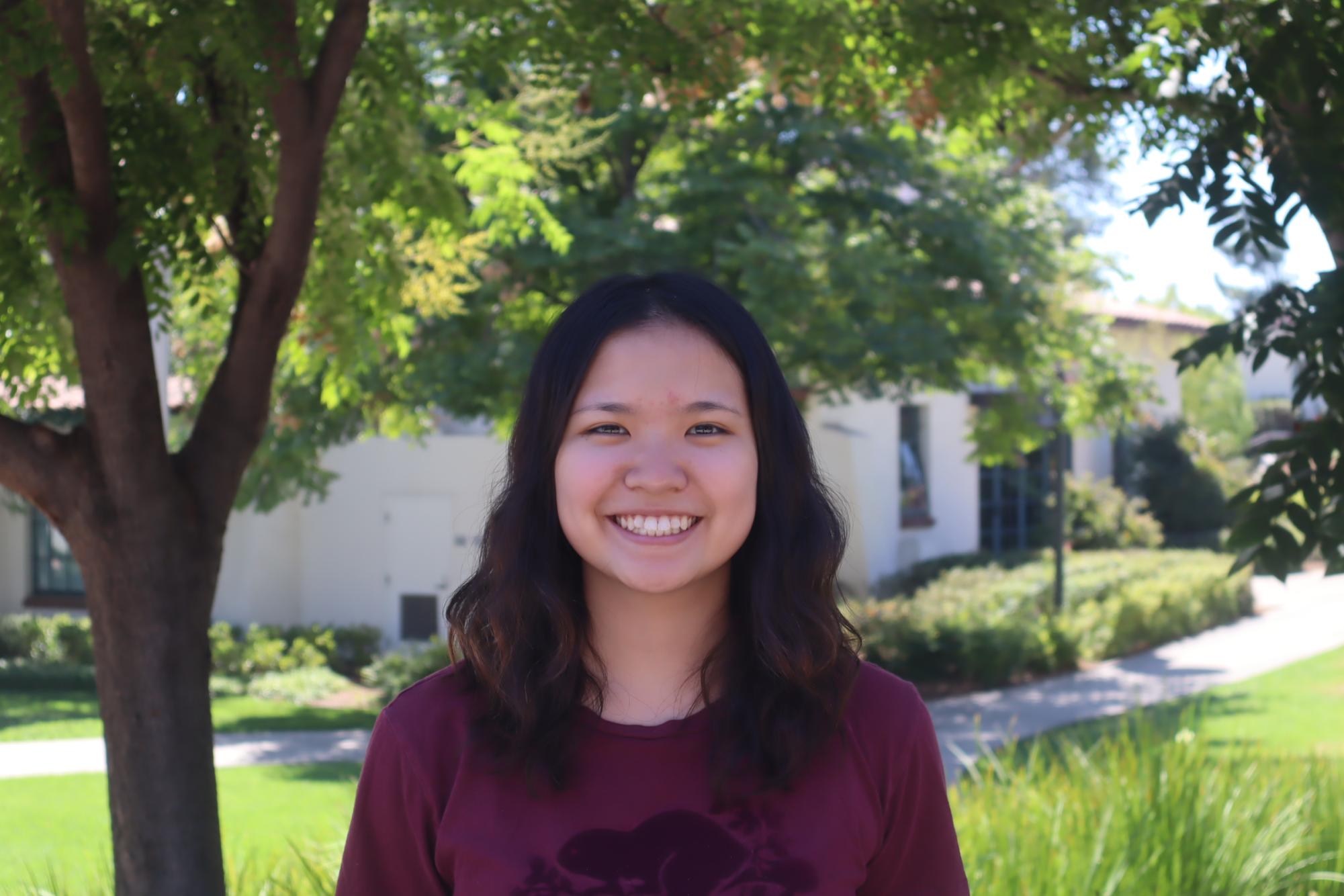
Even before the college admissions process begins, many Webb students create a stigma surrounding community college, making Webbies feel diminished if they consider community college as an option. Pristine Thomas (‘25) finds these jokes ludicrous.
“A lot of people make jokes that their grades are really bad and that the only school they have a chance of getting into is Chaffey or Citrus and everyone sort of laughs,” Pristine said. “It’s kind of weird to me.”
To Pristine’s point, community college is a great option, and everyone has their own path. Community college can prepare you to transfer, provide better financial options, and many more. The stigma against community college perpetuates a skewed idea of what students can accomplish at one of these schools.
“It just seems like the correlation between getting a ‘bad grade,’ like a B, should not mean you are unintelligent or that [community colleges] aren’t good for you even though they can help you or you can transfer out,” Pristine said.
Hot Take: Achievements are overrated; friends are way better
Many students enter Webb striving to stockpile accolades to craft a rejection-proof college application. The formula goes: grind for perfect test scores, craft fancy research papers, and stack up as many leadership positions as you possibly can. Sehoon Kang (‘24) disagrees with this practice.
“A lot of students work on personal projects, like writing a book or starting a podcast, just to add another extracurricular on their resume,” Sehoon said. “When people care so much about achievements, they don’t prioritize the value of the process.”
Sehoon believes that what really matters is the passion and fulfillment that your commitments and connections bring. Awards are meaningless if they don’t create genuine happiness and personal growth.
“The people that you surround yourself with ultimately determine who you are, not the achievements,” Sehoon said. “Take my friend Garry Zhang (‘24) as an example. I wasn’t as interested in chemistry before I met him, but meeting someone who shared my interest added perspective and knowledge, as well as nurtured my passion for chemistry.”
Hot Take: Disband the Honor Council
The Honor Council is a point of pride for Webb’s disciplinary process — and, in theory, a jury of your peers is a very noble addition. Yet, in practice, an exclusive HC ties personal righteousness to punitive action. For this reason, Neria Spence (‘24) preaches: disband the HC.
“While the Honor Council theoretically helps connect the community by having students [recommend peer disciplinary action], it realistically creates a more hostile and distrusting environment,” Neria said. “Students have no idea what is happening with the HCs due to their intense rules of secrecy and privacy, which leads to an even more divided community.”
Neria thinks the Honor Council should function more like jury duty, calling up different students to serve as HCs on a case-by-case basis. This solution would eliminate personal righteousness from the disciplinary process, and result in more transparency and less confusion about school rules.
“We still need a form of repercussion for students’ mistakes, but the exclusivity of the current HCs creates the narrative that some students are ‘more moral’ than others,” Neria said. “This new HC would be a big step in helping the community grow together as one.”
Hot Take: Grades disregard real learning
Students stress themselves out constantly, working for the perfect grade and validation from their teachers. According to “Why Focusing on Grades is a Barrier to Learning,” an article by Gerald E. Knesek, grades foster a competitive system around learning and create a hostile environment between students and their teachers. Being productive for the sake of a grade is something James Huerta, humanities department faculty, dislikes.
“I think grades are dumb because [they] take away from a truly educational experience,” Mr. Huerta said. “I think grades reduce relationships between teachers and students to transactional [ones].”
If students did not have to do assignments strictly for marks, they would be encouraged to embrace the real educational experience. Mr. Huerta has experimented with giving feedback over grades in Advanced Studies African Ideologies and Revolutions. After each project he has discussions with his students as a time for them to reflect on their work and talk about what grades they think they deserve for the work they have completed. This way he is not just slapping a grade onto their work, and it lets them truly reflect on their process.
“I’m right now experimenting with giving lots of feedback,” Mr. Huerta said. “I think students have been really honest and open to reflecting [on the work].”
Hot Take: Don’t take Webb for granted
Webb occupies four years of your life. Ugh, how long and boring! At times, I bounced from wall to wall, ready to leave this place behind. Now, though, as a departing senior, I wish I had cherished my time at Webb a little more.
Though I could list hundreds of should-haves, I won’t. Instead, I want to shed light on some of the folks who have made my Webb experience better. To Jonny, Ray, and Theresa; Mirabel, Neria, Ryan, Leia, and Kenny; Ms. Plumley, Ms. Bauman, Mr. Caldwell, Mr. Choi, Dr. Dzula, and Ms. Nicolosi; Jenny, Jenny, Emily, and Eleanor; Narineh and Kaylynn; Steph and Elena; and many, many more — in your own ways, you’ve all drastically altered the course of my Webb experience. You’ll always remain an important part of my time here, looking back.
Honestly, I’m afraid of my future. I’m afraid of going to college. Of getting a job. Of being an actual person. And, as I leave Webb, I lose my safety net — I’m facing that future head-on.
In creating this column, I’ve stuck to highlighting others’ opinions. But here’s my hot take: Don’t take Webb for granted. Sure, between day-to-day responsibilities and summative assignments, there exists a reservoir of stress — but I implore you to look beyond that. Webb is so much more. And, only now — after four long years — have I realized that. So, please, soak in every second of Webb; it’ll leave before you know it.